Beyond Words: Grade 2 Learners Explore the Power of Non-Verbal Communication
November 3, 2026
“Sometimes, the most powerful conversations happen without a single word.”
How do we communicate without speaking? Can a raised eyebrow express surprise, a smile convey
happiness, or a simple gesture tell an entire story? Grade 2 learners at Strawberry Fields High School
explored these intriguing questions during an enriching visit to the Garden of Silence, Chandigarh. The
visit was an integral part of their Unit of Inquiry, Communication, under the transdisciplinary theme, How
We Express Ourselves, and offered learners an opportunity to investigate the many ways people express
themselves beyond spoken and written language. The visit provided a meaningful setting for learners to
extend their classroom inquiries into a real-world context. As they explored the space, they were
encouraged to observe carefully, think critically and consider how people communicate through facial
expressions, gestures and body movements. The experience invited them to look beyond words and
recognise the importance of observing, interpreting and responding to the messages conveyed by others.
Saying It Without Words
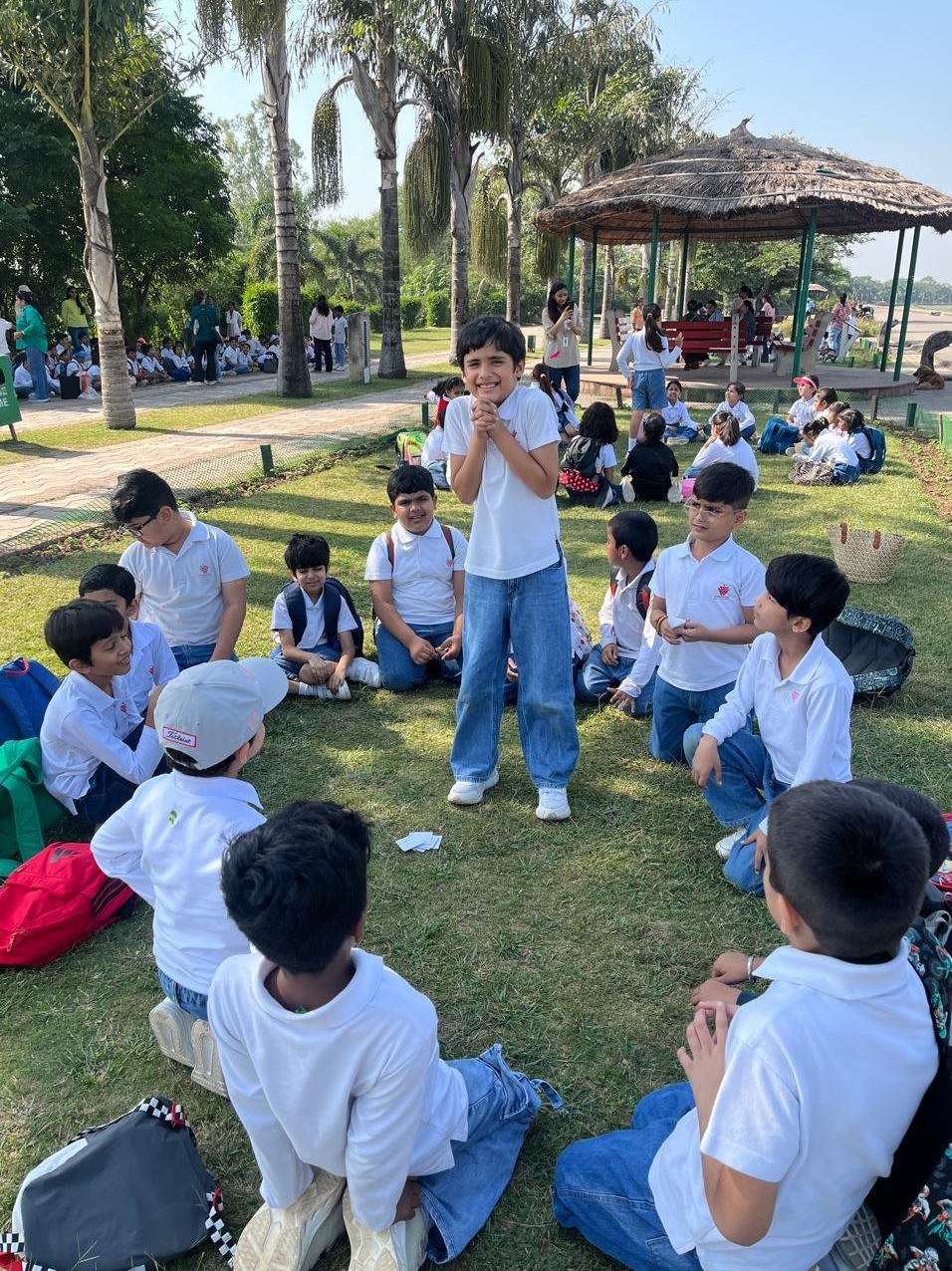
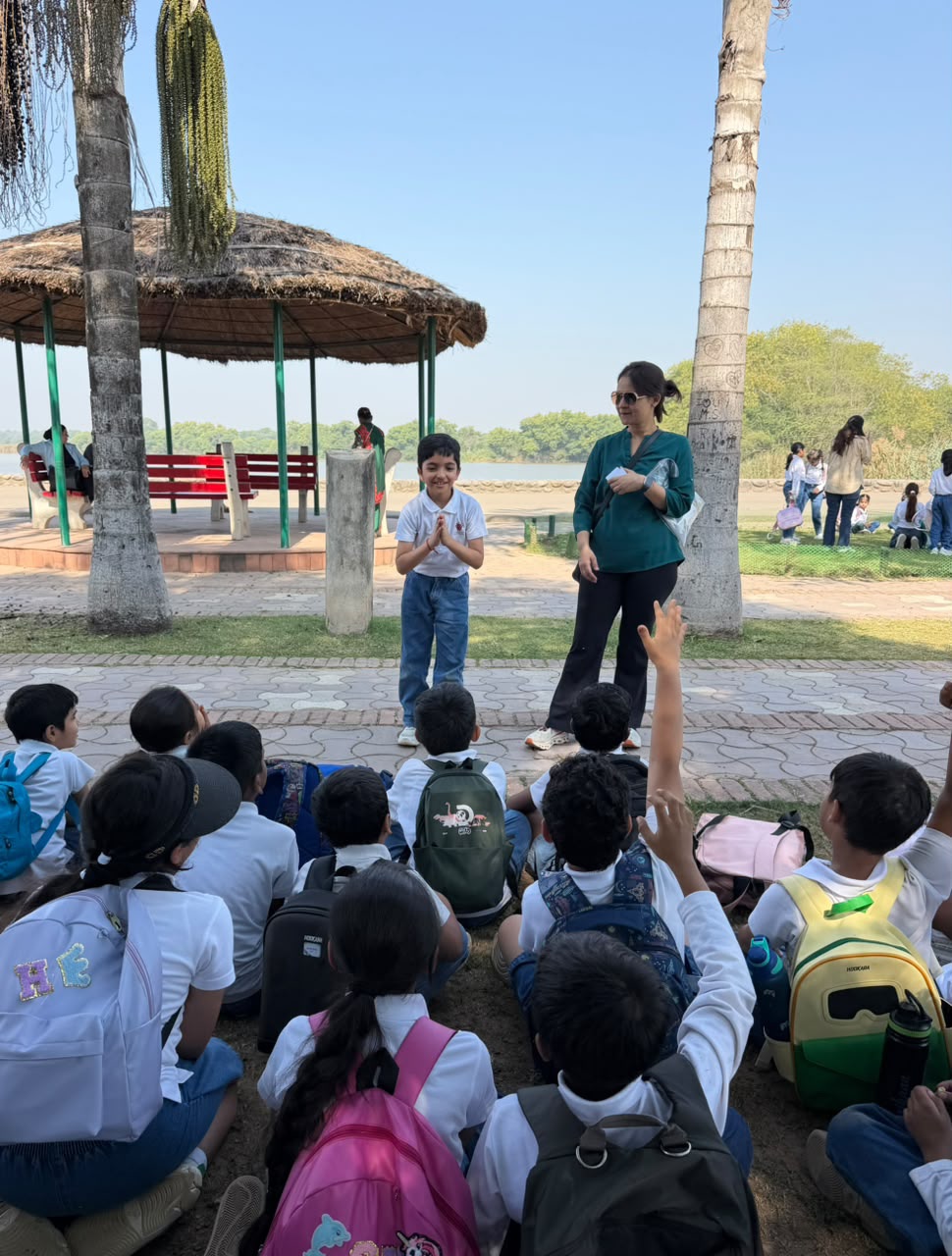
The highlight of the visit was an engaging learning engagement titled ‘Gesture Charades: Say It Without
Words.’ Armed with cue cards featuring familiar actions, emotions and everyday situations, learners took
turns communicating messages using only their facial expressions and body movements. They were
challenged to convey their ideas without speaking, writing or making sounds, relying instead on their
creativity and expressive abilities. A puzzled expression, an enthusiastic wave, a dramatic shrug or an
exaggerated movement became a clue for others to interpret. As one learner stepped forward to convey
a message, classmates watched attentively, attempting to piece together the meaning behind each
gesture. The game transformed an abstract concept into an engaging, hands-on experience. Learners
discovered that a message could be expressed in several ways and that the person receiving it might
interpret it differently depending on what they observed. The use of cue cards also encouraged learners
to think creatively about how familiar actions, feelings and situations could be represented through
movement. They experimented with different expressions and gestures, adjusting their approach when
their peers found a message difficult to interpret. In doing so, they began to appreciate that
communicating effectively involves not only expressing an idea but also considering how it might be
understood by someone else.
Reflecting, Interpreting and Making Connections
An important part of the learning experience was the opportunity for learners to reflect on what they had
discovered. Their reflections highlighted a growing awareness that words are only one of the many ways
in which people communicate. Learners recognised that facial expressions and body language can
convey emotions, provide clues about what someone might be thinking and help us understand
messages even when no words are spoken. The visit to the Garden of Silence was a valuable extension
of Grade 2 learners’ inquiry into Communication. Through observation, experimentation, peer interaction
and reflection, learners explored how meaning can be conveyed in ways that extend beyond words. As
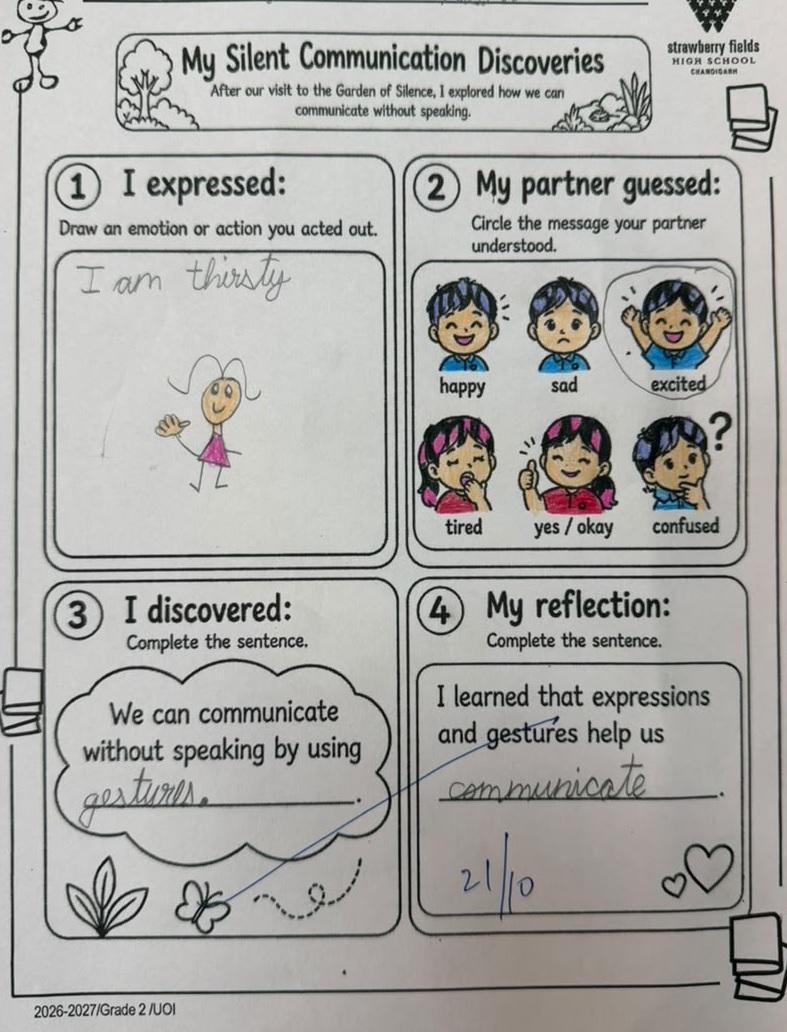
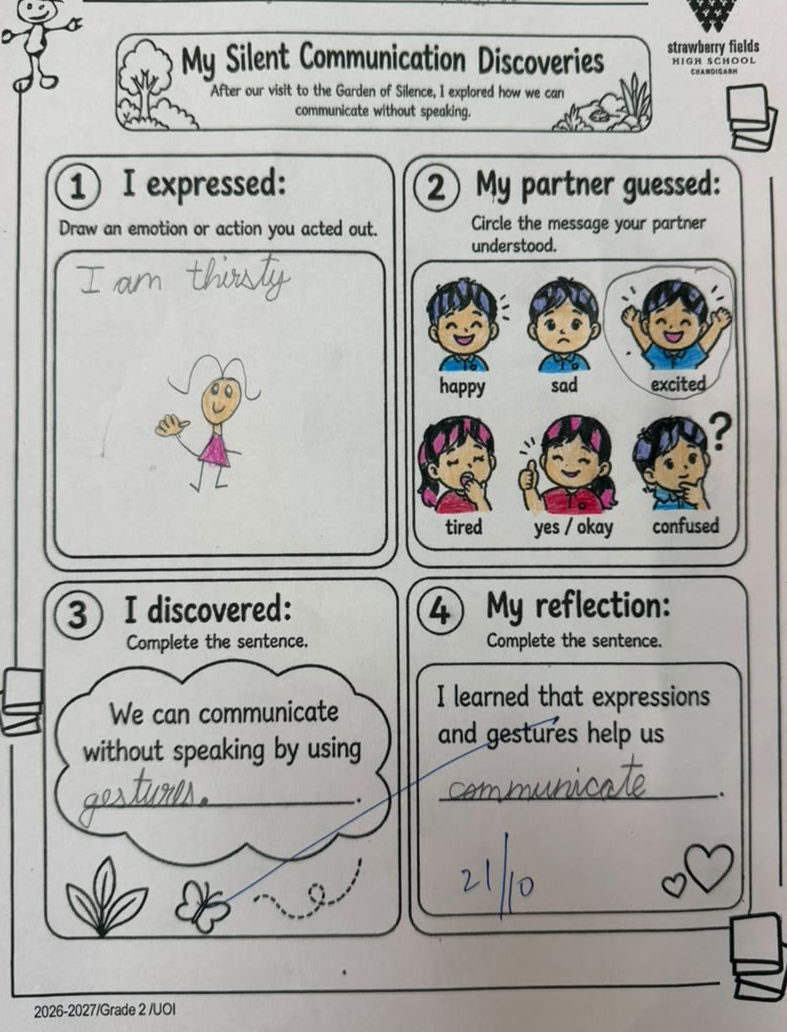
they returned to their classrooms, they carried with them a powerful insight and attempted the reflection
sheets: communication is not always about what we say, but also about what we express and how
attentively we observe others. A gesture, a glance, a smile or a change in expression can open a window
into a message waiting to be understood. In discovering the art of non-verbal communication, learners
were reminded that sometimes, the smallest expressions can carry the biggest messages and that
listening with our eyes can be just as important as listening with our ears.