Learning Beyond the Classroom: A Visit to the Gaushala
October 16, 2026
Learning becomes truly meaningful when children have opportunities to connect their classroom inquiries with the world
around them. As part of the Action phase of the inquiry cycle, under the transdisciplinary theme, Sharing the Planet, our
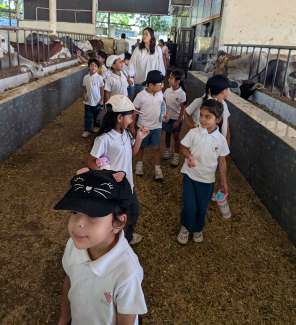
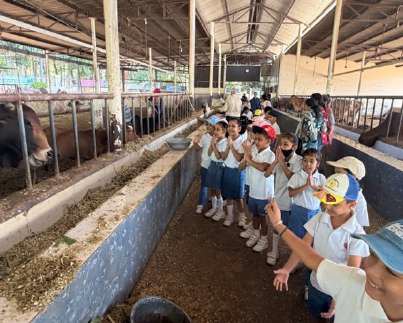
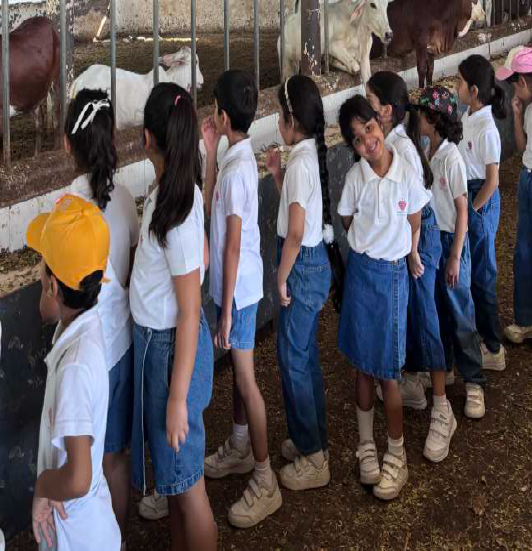
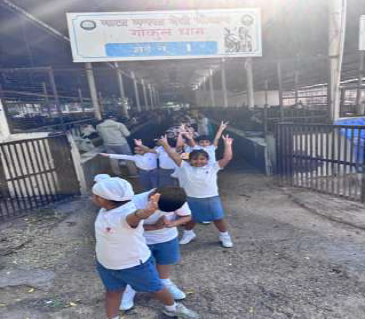
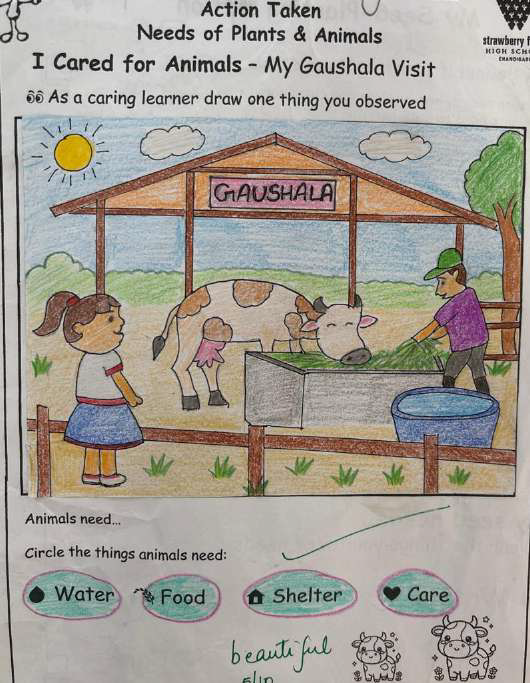
Kindergarten learners visited a gaushala to extend their understanding of Line of Inquiry 2 – Needs of Plants and Animals.
The visit offered a valuable opportunity for learners to explore how living things depend on one another and the importance
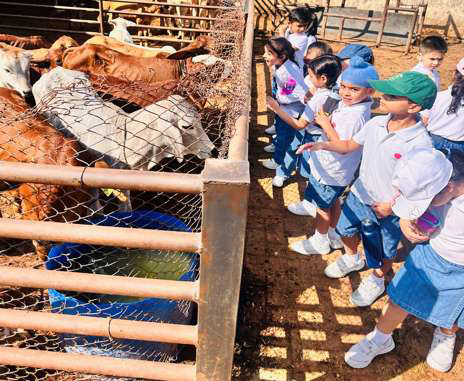
of care in sustaining life. With curiosity and enthusiasm, the children observed cows and calves in their surroundings,
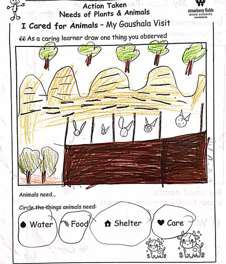
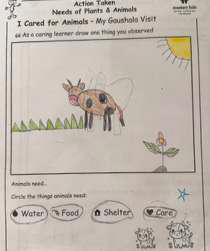
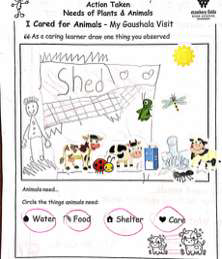
gaining first hand insights into their basic needs for food, water, shelter and care. They watched the caretakers feed the
animals, maintain their shelters and ensure their well-being, recognising the important role people play in caring for
animals.
Through careful observation, thoughtful questioning, attentive listening and meaningful conversations, learners
strengthened their research and communication skills. Their observations brought the Central Idea, ‘Living things are
interdependent and need care to stay healthy,’ to life, helping them make connections between their classroom learning
and real-world experiences.
The experience also encouraged learners to reflect on the interconnectedness of plants, animals and human beings. As
they observed the care and responsibility demonstrated by the caretakers, they began to appreciate that even small,
thoughtful actions can make a meaningful difference to the well-being of living things.
Taking their learning a step further, learners were encouraged to plant a seed at home and nurture it as it grows. This
extension of their inquiry provided an opportunity to translate their understanding into purposeful action, fostering a sense
of ownership, empathy and responsibility towards the natural world.
More than just a visit, this experience was a meaningful step in our learners’ journey from inquiry and understanding to
reflection and action. It reinforced the importance of making responsible choices and inspired our young learners to
recognise that caring for the world around them begins with the little things they do every day.