Young Changemakers: Taking Action for Our Planet Responsible Action at Sukhna Lake
October 16, 2026
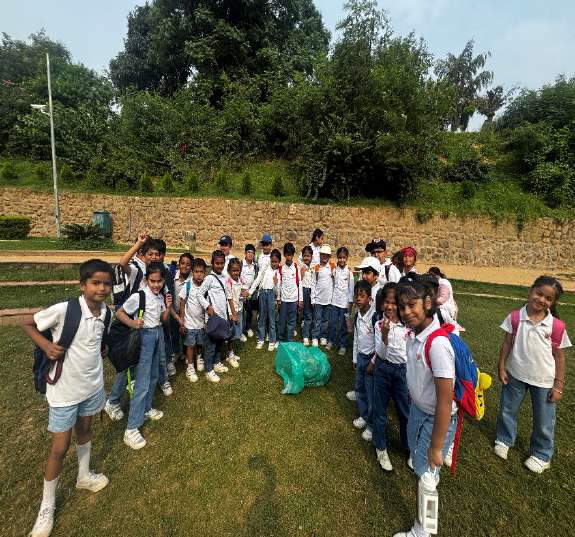
Grade 1 learners brought their classroom inquiry to life through a visit to Sukhna Lake, as part of the Design Thinking
Routine under the transdisciplinary theme, Sharing the Planet. Connecting with Line of Inquiry 3 – ‘The impact of human
actions on the environment,’ the experience offered learners an opportunity to put their ideas into action and explore the
central idea, ‘Choices that people make impact the environment.’
The journey began in the classroom, where learners revisited environmental concerns they had investigated through their
presentations. Through Empathise, Define and Ideate, they considered who or what was affected, identified problems and
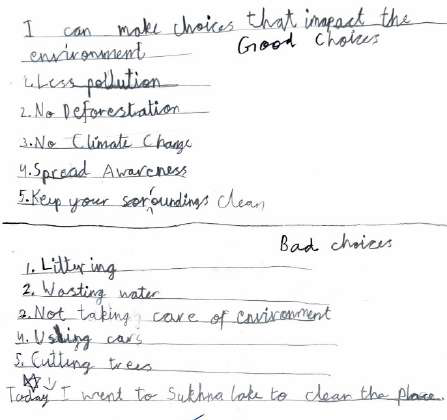
suggested possible solutions. They explored how human actions could have both positive and negative impacts: littering,
polluting water and cutting down trees could harm living things, while disposing of waste responsibly, caring for plants and
protecting habitats could support them. During Prototype, learners developed a simple action plan, demonstrating agency
as they considered how they could contribute to a healthier environment.
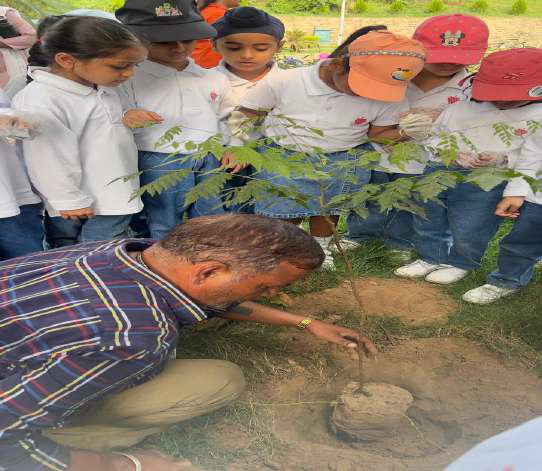
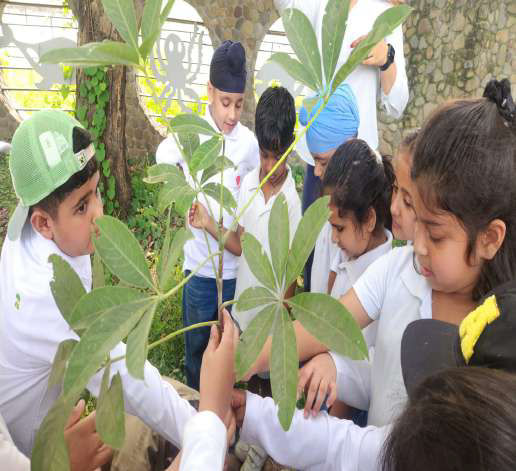
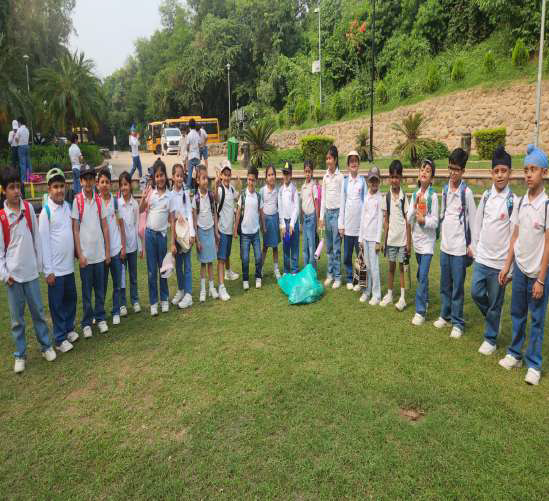
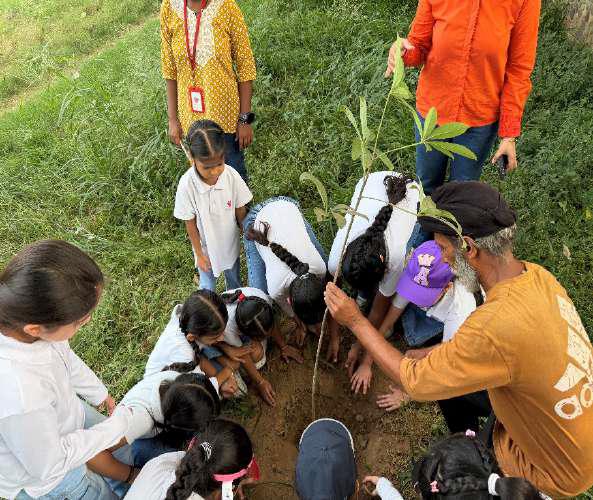
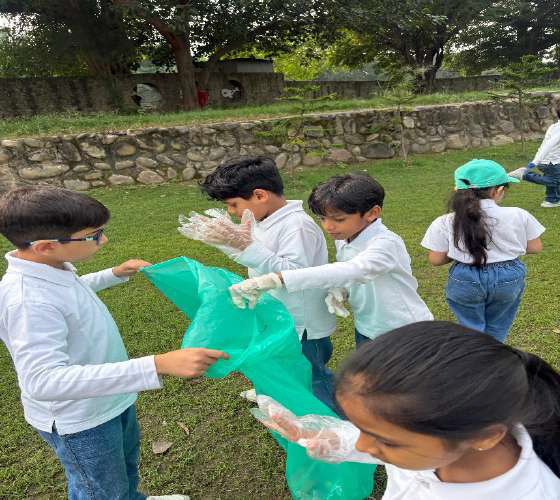
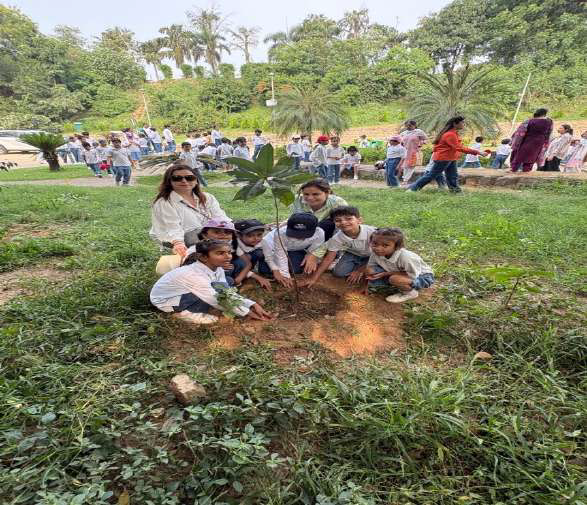
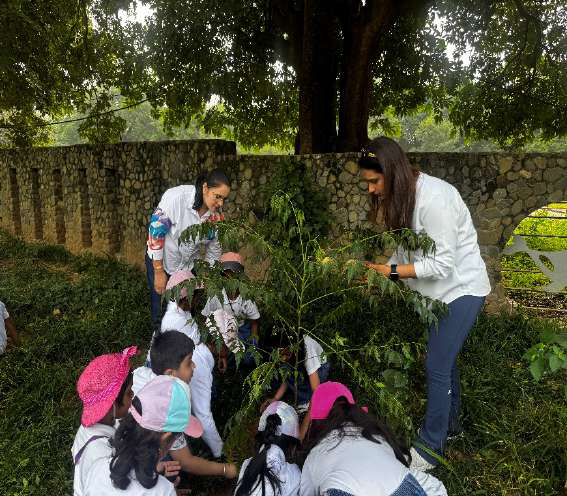
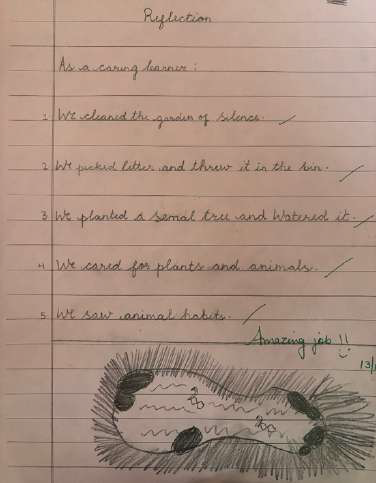
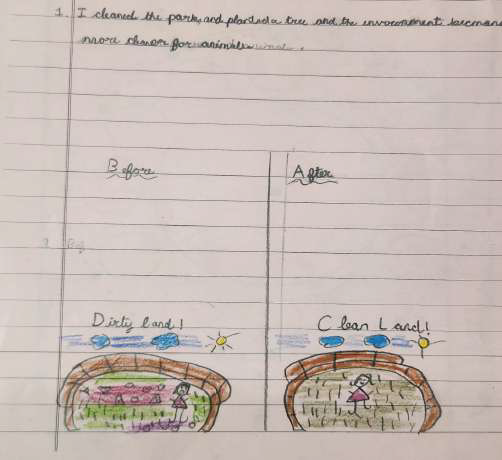
At the Garden of Silence, learners demonstrated the Learner Profile attribute of being Caring by helping clean the
surroundings and planting trees. These actions gave concrete meaning to the central idea. By choosing to collect waste
and place it in bins, learners helped make a shared space cleaner and reduced the risk of litter harming living things. By
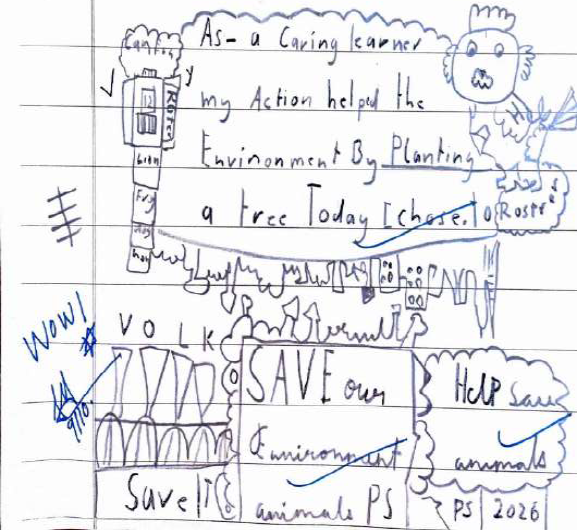
planting a tree, they contributed to the future growth of a habitat that could provide shade, food and shelter. They
connected their choices with the changes these could bring, recognising that some positive impacts, such as cleaner
surroundings, could be noticed immediately, while others would develop over time. The experience helped them
understand that people’s choices can cause environmental problems, but can also help address them.
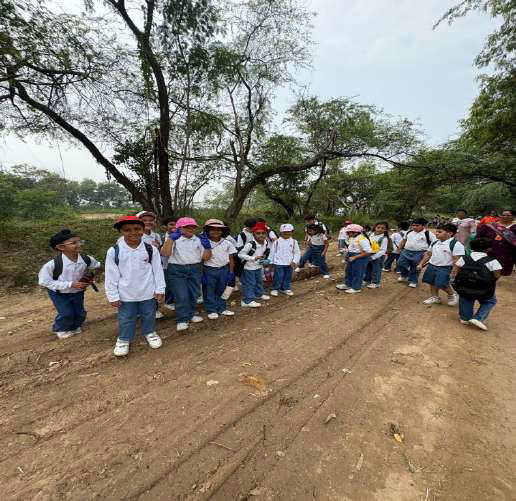
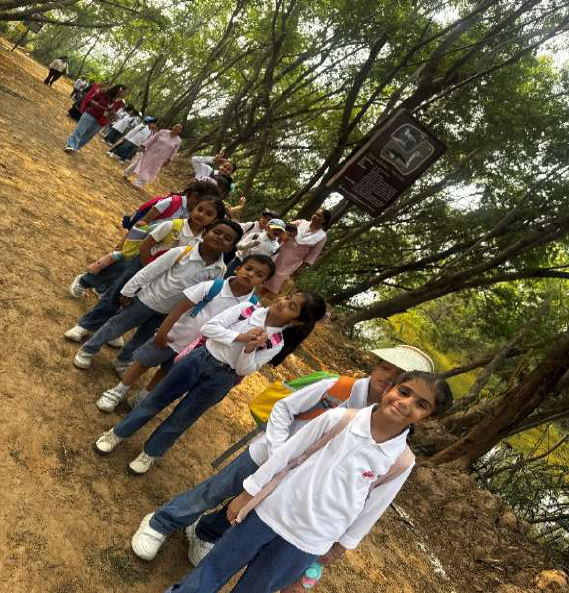
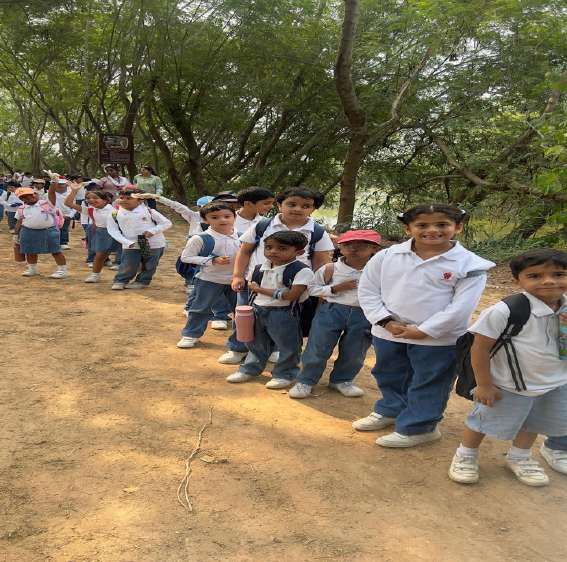
The visit continued along the forest trail, where learners observed birds, animals and plants, including peacocks, swans,
ducks, herons, monkeys, dogs, bugs, butterflies and frogs. As Inquirers, they explored the surroundings with curiosity and
considered how living things depended on their habitats for food, water and shelter. Seeing different living things share
the same environment deepened their understanding of interdependence and the importance of protecting natural spaces.
Through observation, questioning and discussion, learners strengthened their research skills and thinking skills. They
connected their classroom learning with what they encountered during the visit and considered how visitors’ choices could
either protect or disturb a habitat. Keeping surroundings clean, respecting plants and observing animals without disturbing
them became meaningful examples of responsible behaviour.
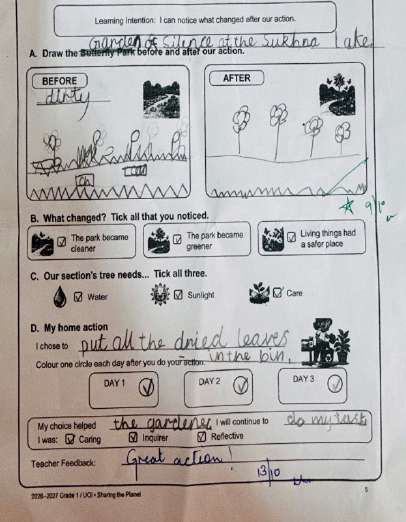
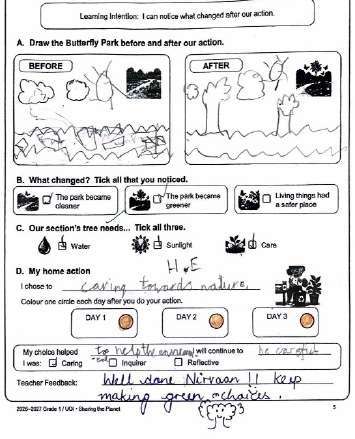
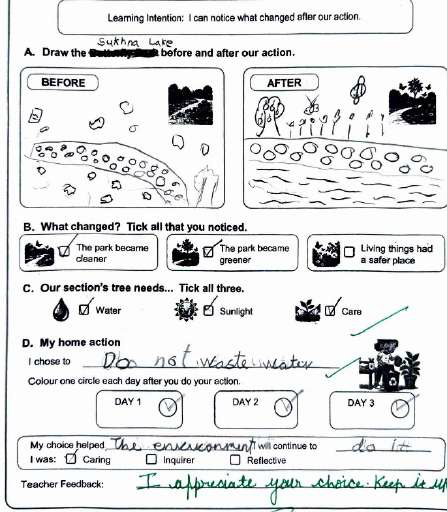
On returning to school, learners revisited Prototype and completed Test, reflecting on their actions and how they had
demonstrated being caring. They considered what had changed, how living things might benefit and what would require
continued attention. They recognised that planting a tree was a beginning and that its growth would depend on ongoing
care.
Extending their learning beyond the visit, learners identified an environmental action to carry out at home, such as caring
for a plant, reusing paper, saving water or disposing of waste responsibly. This experience supported their understanding
that caring for the environment involves everyday choices and continued responsibility. It helped learners see themselves
as capable of taking purposeful action and making a positive contribution to the planet they share.