Digital Citizenship Week 2026: Junior School
November 16, 2026
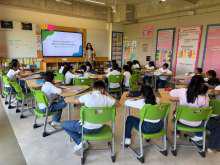
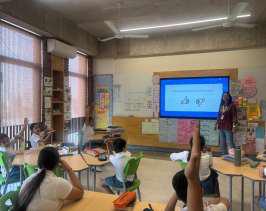
Digital Citizenship Week 2026 was celebrated across both our SFHS and SFNC campuses from October 12th to 16th, a little ahead of the official Common Sense Media dates (October 19th to 23rd), simply because good digital habits can’t wait. At both campuses, our youngest learners engaged in age-appropriate activities, discussions and reflections built around the Common Sense Media framework, taking their first steps towards becoming safe, thoughtful and responsible digital citizens.
Digital Citizenship Week at SFHS
UKG: Finding a Healthy Media Balance
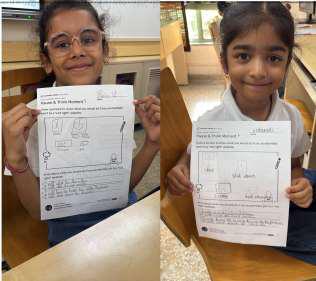
Our Kindergarteners took their very first meaningful step towards becoming mindful digital citizens by exploring Media Balance. Over two weeks, they discovered that while media can be fun and useful, a happy life also needs time for play, creativity, movement, friendships and the world around us. To celebrate the week, they completed a “Pause & Think Moment” handout from Common Sense Education, drawing what media balance looks like in their lives and expressing their thoughts through words or sentences. Their beautiful responses showed that even our youngest learners can understand the importance of making thoughtful choices and finding balance — reminding us that digital citizenship begins not with technology, but with learning to pause, think, choose wisely and care for ourselves and others.
Grade 1: Navigating Websites Safely
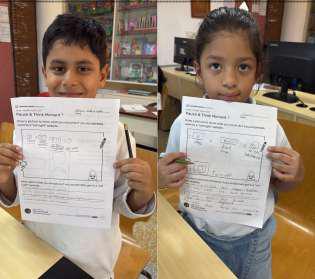
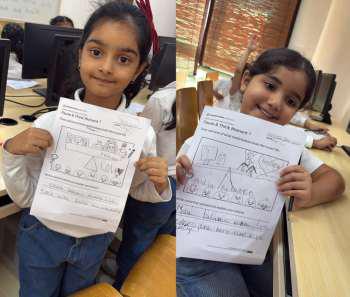
Our Grade 1 learners took an essential step toward navigating the online world safely by exploring the concept of the “Internet Traffic Light.” Through engaging activities, they learned that navigating the digital world is much like staying safe on the road — green means GO to trusted sites, yellow means SLOW to be safe, and red means STOP to pause, trust their gut, and ask a trusted adult for help. To celebrate the week, students completed a Common-Sense Education “Pause & Think Moment” handout, colouring and labelling their traffic lights and illustrating what to do if they ever land on a “not right” website. Their thoughtful drawings and sentences — showing actions like clicking close, pressing escape, or reaching out to an adult — demonstrate that our Grade 1 students are well on their way to becoming cautious, empowered, and safe digital citizens who know how to pause, think, and make smart choices online!
Grade 2: Putting a STOP to Online Meanness
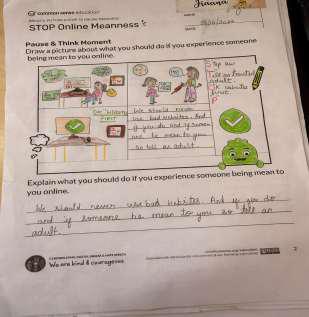
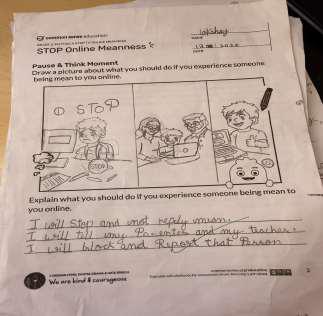
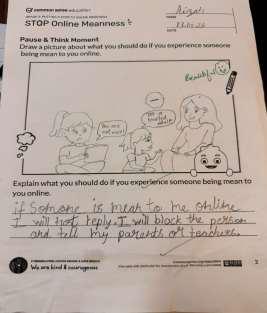
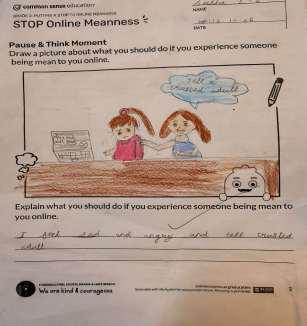
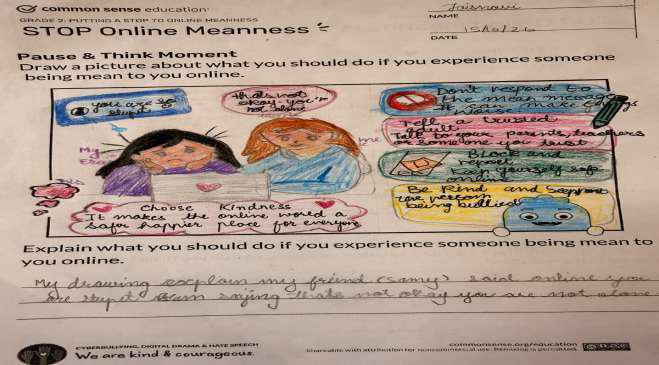
Learners explored how online meanness can hurt others and practised the S-T-O-P strategy to respond safely and seek help from trusted adults.
Grade 3: Outsmarting Attention Thieves
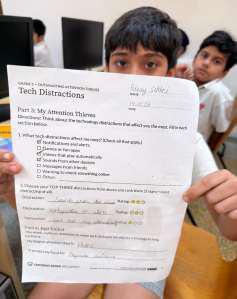
Learners identified digital distractions and explored simple strategies to improve focus and maintain a healthy balance while using technology.
Grade 4: Media & Our Emotions
As part of Digital Citizenship Week, Grade 4 students explored how media influences their emotions, choices, and behaviour. Using the McDonald’s x Minecraft advertisement and other examples, they learned about three persuasive techniques: Logos (facts), Pathos (feelings), and Ethos (trust). Students analysed media messages and reflected on how these techniques influence audiences, developing critical viewing and decision-making skills. As a home assignment, students were asked to create their own advertisement using one persuasive technique. They could work on a coloured sheet, chart paper, or digital software. They also reflected on the technique used, their target audience, and why the audience might like or need the product, applying their learning creatively.
Grade 5: Spotting Media Influence
During Digital Citizenship Week, Grade 5 students explored how media can influence their thoughts, feelings, and choices. They analysed advertisements and a fictional hoverboard influencer advertisement to understand how content creators use persuasive techniques to attract attention and influence audiences. Students investigated media messages using four key questions: Who created the content and why? What information is included or left out? How is the content trying to make me feel? Is the information or claim actually true? Through discussions and analysis, students developed an understanding of media influence and persuasion. They identified common persuasive techniques used in online content and reflected on the importance of questioning information before believing, sharing, or acting upon it. The session strengthened students’ critical thinking and media literacy skills, encouraging them to evaluate online content carefully and make informed, responsible choices in digital spaces.
Digital Citizenship Week at SFNC
In an increasingly connected world, Strawberry Fields High School New Chandigarh, marked Digital Citizenship Week from 12–15 October 2026, engaging learners in meaningful experiences that encouraged them to navigate the digital world safely, thoughtfully and responsibly.
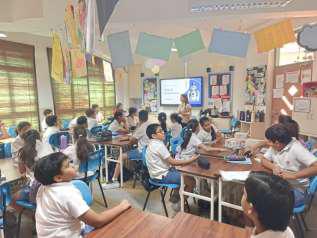
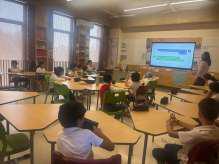
Throughout the week, learners participated in age-appropriate learning experiences during their ICT classes, guided by Common Sense Media, the Digital Citizenship framework followed by the school. With the help of discussions, engagements and reflections, they explored how to make informed choices and navigate the digital world safely and responsibly.
UKG: Finding a Healthy Media Balance
Through a song, story, discussions and a reflection handout, the youngest learners explored the idea of media balance. They reflected on the importance of balancing screen time with offline activities and making thoughtful choices about how they spend their time.
Grade 1: Navigating Websites Safely
Using the Internet Traffic Light, Grade 1 explored how websites can be classified as green, yellow or red based on their suitability. Discussions also focused on what to do if they accidentally encounter a website that is inappropriate or makes them feel uncomfortable.
Grade 2: Being Kind Online
Discussions, role-play and age-appropriate scenarios helped Grade 2 identify examples of online meanness, such as sending unkind messages, posting hurtful comments and behaving unkindly during online games. The S-T-O-P strategy — Step away, Tell a trusted adult, OK sites only, and Pause and think — equipped learners with practical ways to respond safely, show kindness and seek help when needed.
Grade 3: Managing Digital Distractions
How do games and notifications affect our ability to focus? Grade 3 explored this question through an emoji memory game, interactive activities and discussions. Learners identified common digital distractions and considered strategies such as silencing notifications, keeping devices away and taking attention breaks. These experiences encouraged mindful technology use and strengthened selfmanagement skills.
Grade 4: Understanding Media and Persuasion
A McDonald’s x Minecraft advertisement provided a starting point for Grade 4 to investigate how media can influence emotions, choices and behaviour. Learners explored persuasive techniques such as logos (facts and logic), pathos (emotions) and ethos (credibility and trust). By examining examples from advertisements, games, apps and online content, they learnt to recognise persuasive messages, question their influence and make informed decisions.
Grade 5: Recognising Media Influence
Grade 5 learners explored how advertisements and influencers can shape people’s thoughts, preferences and decisions. Through the Hoverboard Influencer handout and related discussions, they considered how persuasive messages influence audiences and reflected on the importance of evaluating online content critically before accepting or acting on it.
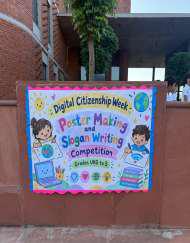
Culminating Activity: Poster Making and Slogan Writing Competition
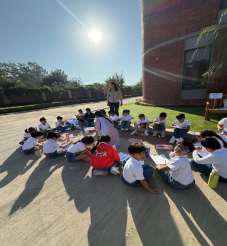
On 16 October 2026, children from UKG to Grade 5 participated in a Poster Making and Slogan Writing Competition, creatively expressing their learning through meaningful slogans and visually engaging posters. The competition provided an opportunity for them to reflect on the lessons explored during the week and communicate their understanding of responsible digital citizenship.
Through their creative expressions, children demonstrated their understanding of what it means to be safe, respectful, responsible and thoughtful digital citizens, while raising awareness about making positive choices online.
Overall, the week deepened learners’ understanding of digital safety, media influence, online behaviour and mindful technology use, reinforcing the importance of contributing to a safe, respectful and positive digital environment.