Theory of Knowledge (ToK) 2026–27
August 25, 2026
A Journey in the Pursuit of Knowledge
“The important thing is not to stop questioning. Curiosity has its own reason for existing.” — Albert Einstein
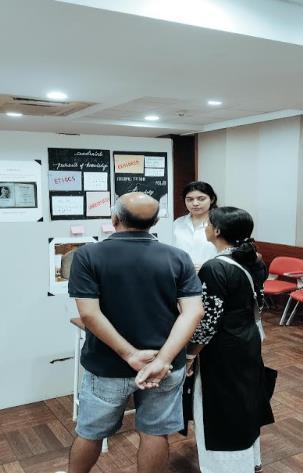
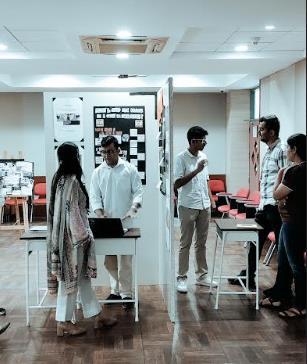
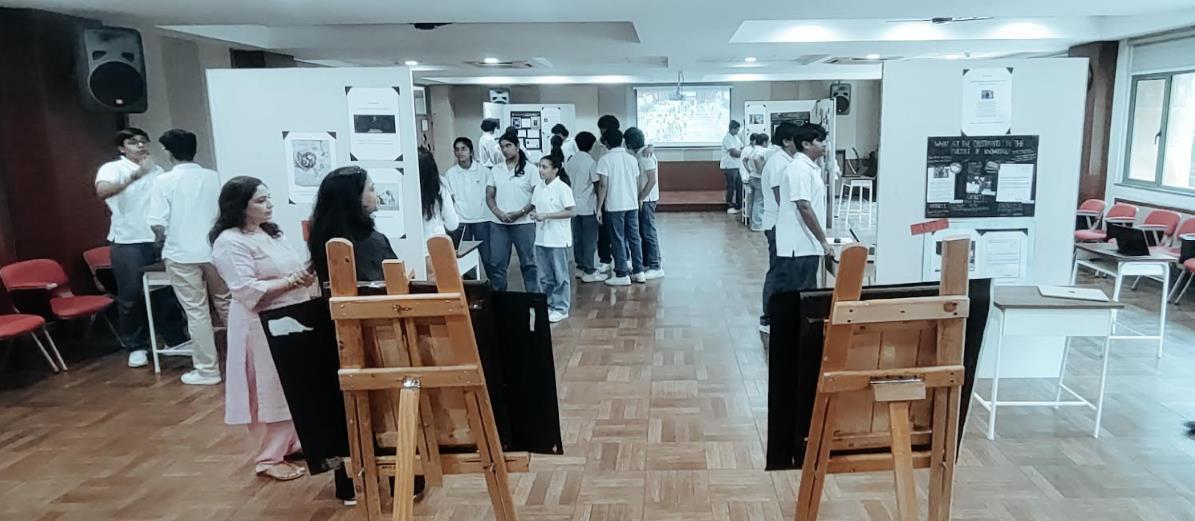
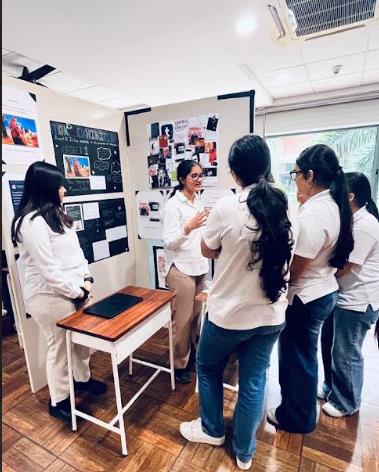
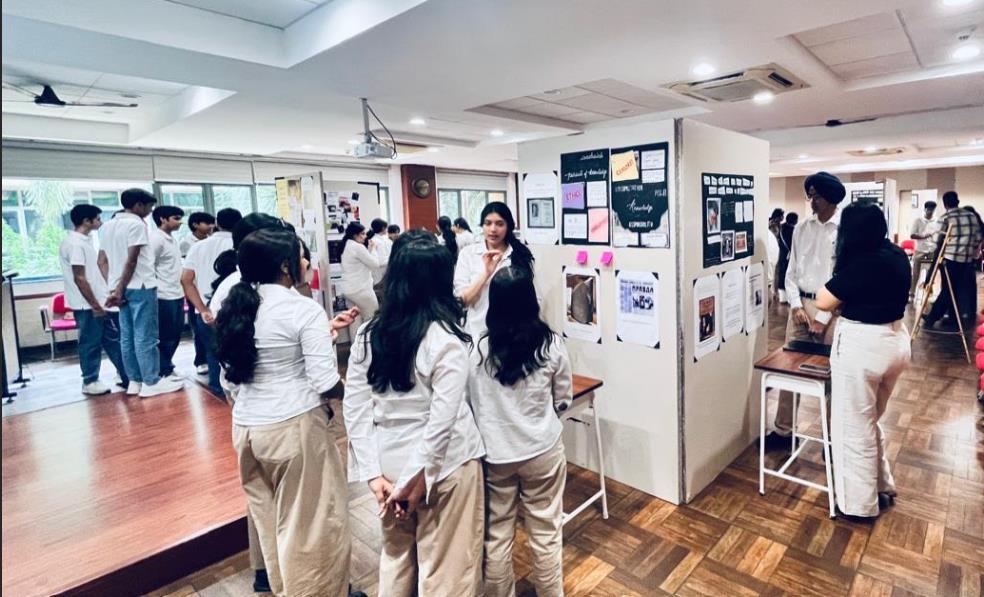
The spirit of curiosity and questioning came alive at the Theory of Knowledge (TOK) Exhibition 2026, held at Strawberry Fields High School on Friday, 7 August. Organised by the IBDP Year 2 students, the exhibition was an inspiring celebration of curiosity, critical thinking, and intellectual exploration. It is showcased the essence of the TOK course by encouraging students to investigate how knowledge is created, questioned, and applied in the world around them.
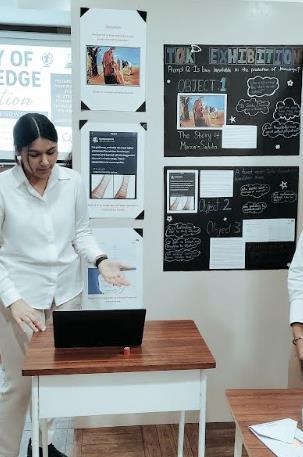
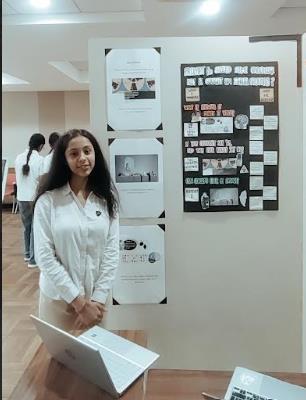
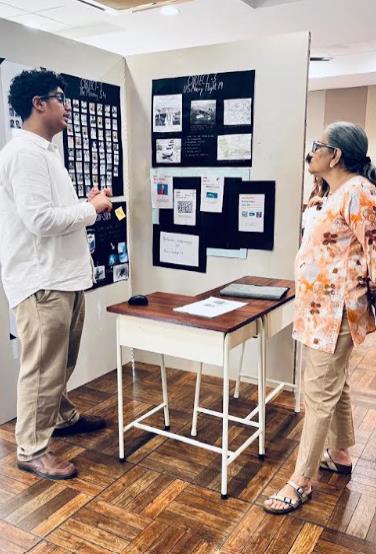
At the heart of the exhibition was an exploration of knowledge itself and the personal journeys through which individuals develop and justify what they claim to know. Each student selected a prescribed TOK exhibition prompt from the IB subject guide and used it as the foundation for their inquiry. Using this prompt, students curated three carefully chosen objects that illustrated their understanding of the prompt and its connection to knowledge. Drawn from personal experiences, historical events, scientific developments, works of art, media, and everyday life, these objects transformed abstract ideas into meaningful and tangible explorations of knowledge.
The diversity of the exhibitions reflected not only the students’ creativity and analytical thinking but also the interdisciplinary nature of the TOK curriculum. Visitors were invited to engage with questions about knowledge, challenge their own assumptions, and appreciate how knowledge is shaped by perspective, culture, ethics, and experience.
One of the most engaging exhibits explored Prompt 16: Should some knowledge not be sought on ethical grounds? Using three carefully selected objects—a Guardian article on the unethical Coventry Experiment, Marina Abramović’s performance artwork Rhythm 0, and the London Science Museum’s Who Am I? exhibit — the student examined the ethical boundaries of scientific research, human behaviour, and the communication of knowledge. The exhibition encouraged visitors to reflect on whether the pursuit of knowledge should always be unrestricted or whether ethical responsibility should sometimes guide what we choose to investigate, pursue, and share.
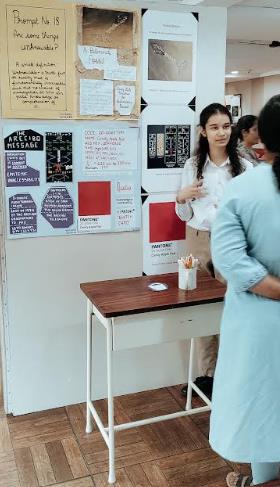
Another insightful exhibition addressed Prompt 18: Are some things unknowable? Through a thoughtfully curated selection of objects, the student explored the limits of human understanding and reflected on how mystery, uncertainty, and differing perspectives influence what we can claim to know. The exhibition invited visitors to consider whether some questions may always remain beyond the reach of human knowledge.
Another engaging exhibition explored Prompt 8: To what extent is certainty attainable? Drawing exclusively on historical objects, the student examined how our understanding of the past is shaped by evidence, interpretation, and perspective. Through a selection of historical artefacts and sources, the exhibition demonstrated that while history strives to establish reliable accounts of past events, complete certainty often remains elusive. Gaps in evidence, conflicting narratives, and the influence of cultural and political contexts remind us that historical knowledge is continually reinterpreted as new evidence emerges. Visitors were encouraged to consider whether absolute certainty is attainable or whether our understanding of the past is inevitably shaped by evidence, interpretation, and uncertainty.
More than a display of academic achievement, the TOK Exhibition became a vibrant platform for dialogue and reflection. Its interactive format encouraged IBDP Year 1 students, teachers, and visitors to engage with challenging ideas, ask meaningful questions, and appreciate multiple perspectives. The exhibition demonstrated that knowledge is not static but continually evolves through inquiry, evidence, interpretation, and critical reflection.
As students prepared to embark on their own TOK Exhibition journey, the event served as both inspiration and a model of thoughtful inquiry. It reinforced the idea that TOK is far more than an academic subject; it is a way of understanding the world, questioning assumptions, and becoming responsible, open-minded global citizens.
The TOK Exhibition 2026 was a resounding success, celebrating the intellectual curiosity, creativity, and reflective thinking of our IBDP Year 2 students. Their work exemplified the IB Learner Profile by demonstrating open-mindedness, principled thinking, and a commitment to lifelong learning. As they continue their academic journey, they carry with them the ability to question deeply, think critically, and appreciate the complexity of knowledge in an ever-changing world.
To make the exhibition more interactive, the IBDP Year 2 students began the event with engaging TOK knowledge games that invited audience participation. Through game cards, thought-provoking knowledge questions, and quick challenges, students encouraged visitors to reflect, discuss, and share their perspectives. This interactive icebreaker created an atmosphere of curiosity and inquiry, setting the stage for meaningful engagement with the exhibition displays.
Audience Reflections
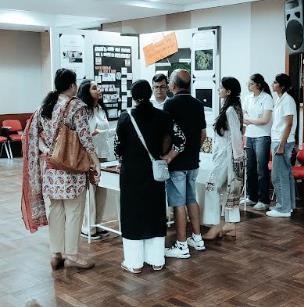
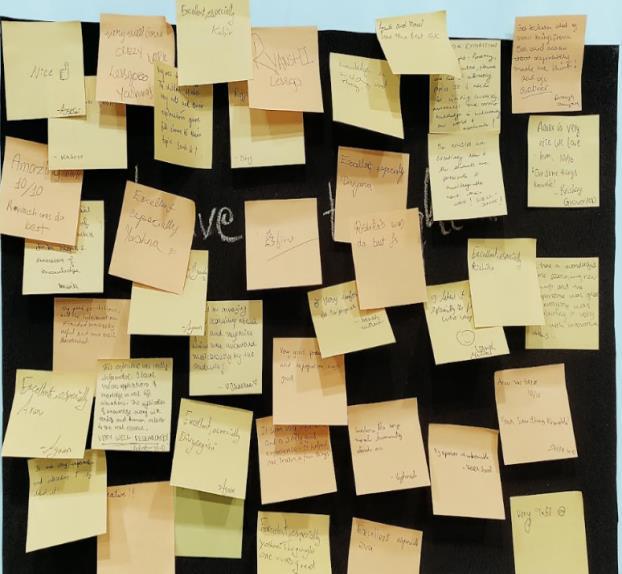
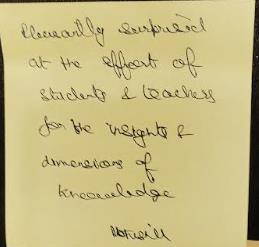
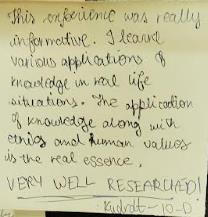
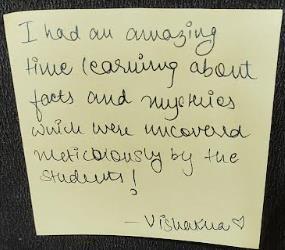
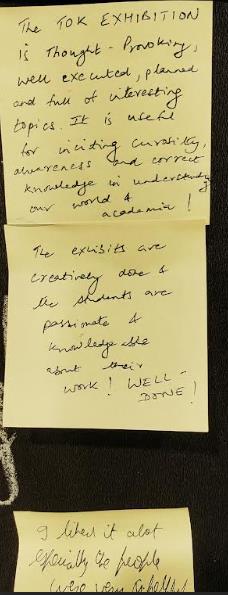
The exhibition sparked thoughtful conversations among students, teachers, and visitors, encouraging them to question their own assumptions about knowledge and to appreciate the diverse perspectives presented through each display. Many audience members (Students and parents) remarked that the exhibition transformed abstract TOK concepts into meaningful real-world experiences, making complex philosophical ideas both accessible and engaging.
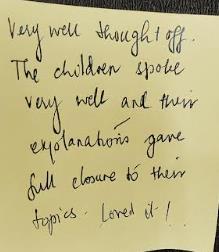
Some of the reflections shared by the audience included:
As the exhibition came to a close, it left a lasting impression on all who attended, celebrating the intellectual curiosity and reflective thinking of our IBDP students while inspiring future cohorts to approach knowledge with confidence, compassion, and an enduring spirit of inquiry.